


Creatine Monohydrate
Creatine Monohydrate

Certified
Manufactured
Tested
Checkout
Benefits
How to use
Dietary standards



Fuel your muscles Sharpen your mind Perform at your peak


The most studied compound in sports nutrition Now for your brain too
- Supports muscle strength and power output
- Supports cognitive performance and mental clarity
- Helps promote faster recovery between sets and sessions

You are not slowing down because of age You are running out of fuel
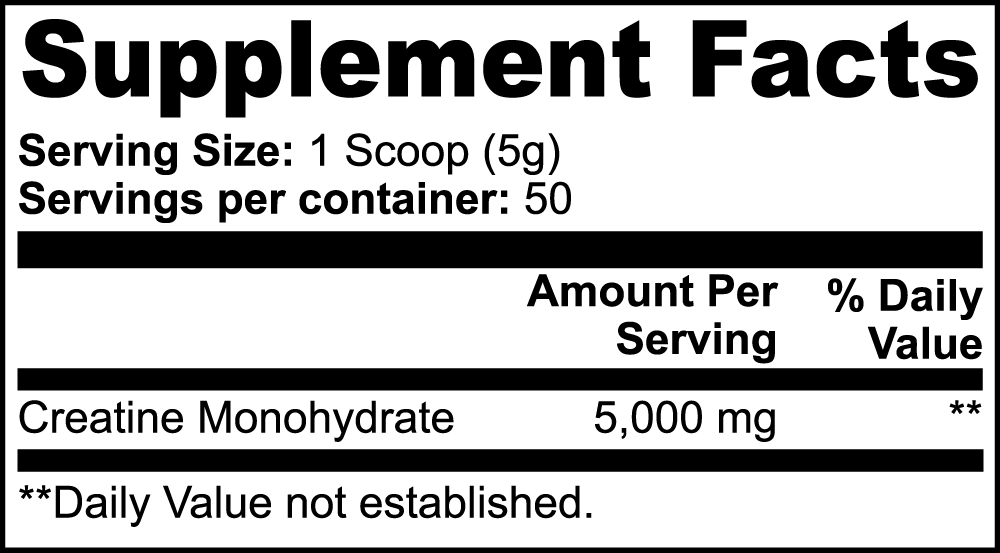
Your body produces creatine naturally, but not enough to meet the demands of intense training or high cognitive load. Supplementing with 5g daily helps give your muscles and brain the rapid energy they need to perform at capacity.
How to Use Creatine Monohydrate
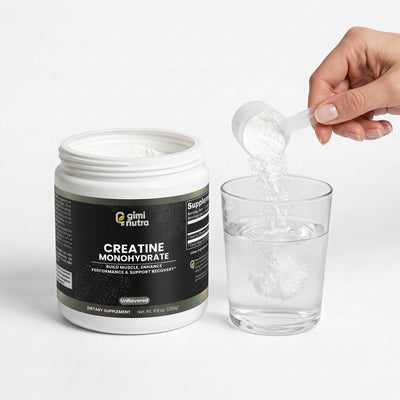
Mix One Scoop (5g)
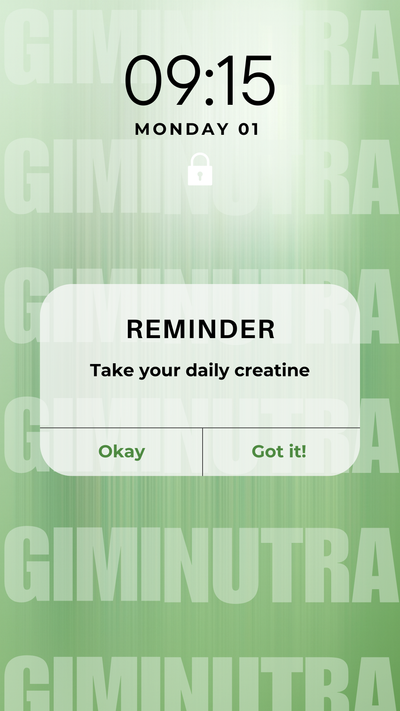
Take It Daily — Any Time
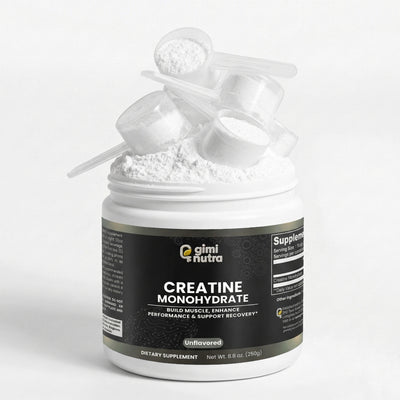
Saturate Over 2 to 4 Weeks

Everything You Have Heard About Creatine Most of It Is Wrong
Creatine is the most studied supplement in sports science. Here is what the research actually says.
Creatine pulls water into your muscle cells, not under your skin. This is called intracellular hydration. It makes muscles look fuller, not puffy. It is a sign the creatine is working.
Creatine helps muscles work harder and recover better; with the right training and diet, it can support lean, defined muscle, for an overall "toned" look.
Over 30 years of research and 500+ studies have found no link between creatine and kidney damage in healthy people. This myth comes from a misunderstanding of creatinine levels in blood tests, which naturally rise with creatine use but do not indicate harm.
New research shows creatine supports brain function, memory, and mental processing speed, especially under stress or sleep deprivation. It is now being studied for older adults, students, and anyone who wants sharper thinking alongside physical performance.
Loading phases are optional. Taking 5g per day reaches the same muscle saturation level within 3 to 4 weeks. Loading just gets you there a week faster, but many people find that choosing the loading option may cause slight stomach discomfort. The simple daily dose works just as well long-term.
This comes from a single 2009 study on rugby players that has never been successfully repeated. No other research has found a connection between creatine and hair loss. The scientific community does not consider this a supported claim.
Not necessary. Loading phases (20g per day for 5 to 7 days) can saturate stores faster, but 5g daily reaches the same saturation level within 3 to 4 weeks. We recommend the simpler daily approach.
Yes, women should consider taking creatine as research shows it's safe and offers benefits for muscle, bone, brain health (mood, cognition), and metabolism across all life stages.
Yes, creatine supports muscle development that contributes to a "toned" look.
Creatine draws water into your muscle cells, which is part of how it works. This is intracellular hydration, not subcutaneous bloating. Most users experience a fuller, more muscular look rather than a puffy or swollen appearance.
Yes. Creatine monohydrate has been studied extensively for over three decades. It is one of the most well-researched supplements in existence, with safety confirmed across several age groups in studies lasting up to 5 years. No credible evidence links it to issues in healthy individuals.
Absolutely. While creatine is widely used for physical performance, emerging research shows significant cognitive benefits: improved memory, faster processing speed, and reduced mental fatigue. It is increasingly recommended for knowledge workers, older adults, and anyone seeking a mental edge.
Consistency matters more than timing. Some research suggests a slight advantage to post-workout intake due to increased blood flow and nutrient uptake. But the most important thing is taking 5g every day at whatever time works for your routine.